

Healthy shift underpins kiwifruit gains健康的转变支撑着猕猴桃的收益

▲Abundant Red Heart Kiwi Orchard
Japan is on a mission to improve nutrition in its people – and that should get more Zespri fruit into bento boxes.日本的使命是改善人民的营养状况,这应该会让更多的Zespri水果进入便当盒。
Zespri’s Asia Pacific manager, Ichiro Anzai, says there is plenty of room within Japan to get more consumers eating kiwifruit, given the country’s relatively low level of fruit consumption.
Zespri亚太区经理Ichiro Anzai表示,鉴于日本的水果消费水平相对较低,日本有足够的空间让更多的消费者吃猕猴桃。

▲helping growers achieve their ultimate pollination
Japan’s position as Zespri’s second largest export market does not deter the region’s head in seeing plenty more upside there, and playing into complex aspects of the country’s health, nutrition and social norms to achieve it.
Asia Pacific president Ichiro Anzai can proudly point to 1.7-fold growth of tray volume sales into Japan over 11 years to 32 million last year, and an impressive tripling of revenue over the same period.
“So, while we may have been seen to be a mature market, we have shown we can grow.
“And we have a target to take that further to 45 million trays over the coming 10 years.”
It sounds a bold plan in a market whose population shrunk by 500,000 last year and will continue to drop below its current 123 million for years to come, with lower birth rates and ageing demographics.

▲充分授粉的红心猕猴桃
日本作为Zespri的第二大出口市场的地位并没有阻止该地区的领导人看到更多的好处,并利用该国健康、营养和社会规范的复杂方面来实现这一目标。
亚太区总裁安泽一郎(Ichiro Anzai)可以自豪地指出,在过去的11年里,日本托盘销量增长了1.7倍,去年达到3200万件,同期收入增长了两倍,令人印象深刻。
“因此,虽然我们可能被视为一个成熟的市场,但我们已经证明我们可以增长。
“我们的目标是在未来10年内将这一数字进一步提高到4500万个托盘。”
这听起来是一个大胆的计划,因为去年人口减少了50万,随着出生率下降和人口老龄化,未来几年将继续低于目前的1.23亿。
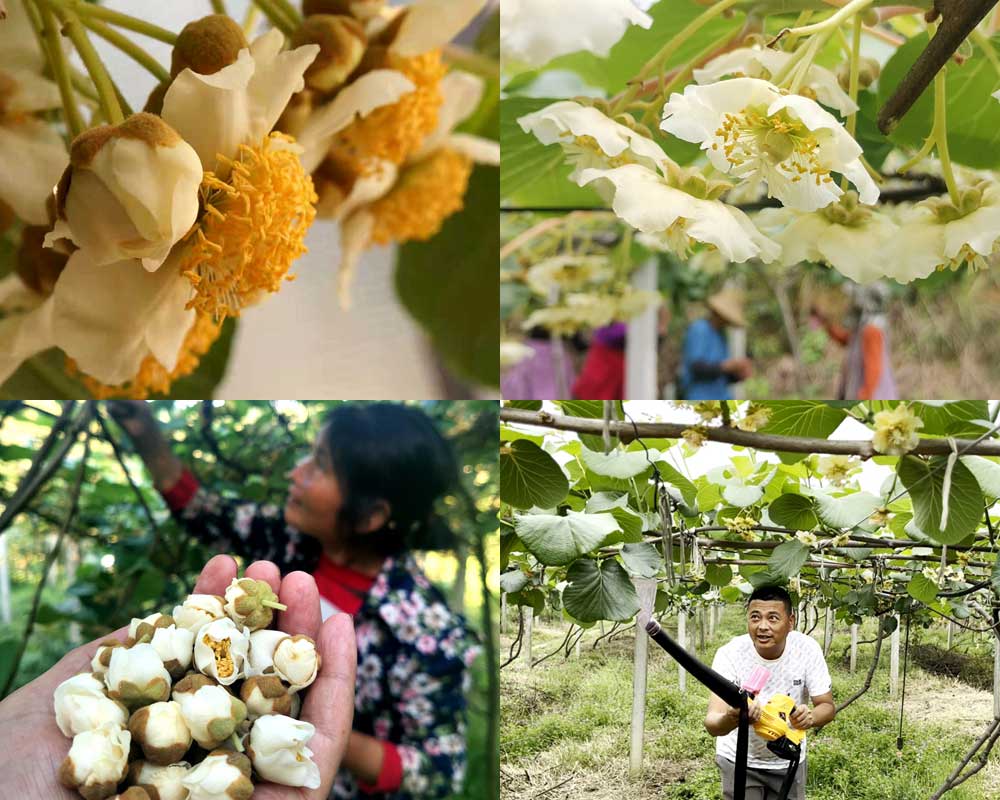
▲给猕猴桃授粉的图片
But within those shifts there remains a country where almost half its population still do not eat fruit, and that’s where the potential lies.
In contrast, despite Taiwan being only 20% of Japan’s population, Taiwanese eat 120kg of fruit each a year while Japan lags well behind at about 40kg per capita.
“We are among the lowest of developed countries. Unlike in Taiwan, Japanese have traditionally considered fruit to be a luxury, almost like a sweet rather than a daily necessity.”
About 40% of Zespri customers in Japan also report buying fruit only once. In past years, they have reported a sour taste experience with Green, deterring repeat purchases.
“But we have worked hard to improve ripening and improve the eating experience, and now in surveys they just state ‘no reason’ for not repeat purchasing.”
The difference in perception about fruit being part of a balanced diet is one Zespri is working to improve through its nutrition reform project, launched last year.
It sounds a bold plan in a market whose population shrunk by 500,000 last year and will continue to drop below its current 123 million for years to come, with lower birth rates and ageing demographics.

▲Golden kiwifruit after artificial pollination
但在这些转变中,仍有一个国家近一半的人口不吃水果,这就是潜力所在。
相比之下,尽管台湾仅占日本人口的20%,但台湾人每年吃120公斤水果,而日本则远远落后,人均约40公斤。
“我们是最落后的发达国家之一。与台湾不同,日本人传统上认为水果是一种奢侈品,几乎像糖果,而不是日常必需品。”
日本约40%的Zespri顾客也表示只购买过一次水果。在过去的几年里,他们报告说,格林有一种酸味体验,阻止了重复购买。
“但我们一直在努力提高成熟度和改善饮食体验,现在在调查中,他们只是说‘没有理由’不重复购买。”
Zespri正在通过去年启动的营养改革项目来改善人们对水果是均衡饮食一部分的看法差异。
这听起来是一个大胆的计划,因为去年人口减少了50万,随着出生率下降和人口老龄化,未来几年将继续低于目前的1.23亿。

▲倪宣毓向来访的客人介绍栽种的新品种猕猴桃
It was in part prompted by the health ministry’s finding that one in three adults in Japan was undernourished. To help correct this the project aims to deliver 6 billion serves of high-quality kiwifruit to customers by 2030.
“And we intend to be working closely with the likes of dietitians and nutrition experts to help them convey the importance of fresh fruit better to their patients.”
He is also buoyed by the confirmation this month from the European Union that Zespri has been granted an official health claim that Green kiwifruit has a positive effect upon bowel movements and gut health.
“Our hope of course is that given the high standards the EU sets for such claims, we can see it being allowed to be applied here too.”
Getting more fruit into consumers also requires tapping into a national institution – the bento (lunch) box culture. Getting kiwifruit into the bento box is a means of promoting fruit as a simple way to improve nutritional balance in everyday meals, often prepared in the busy morning rush.
Competing fruits like pineapple have successfully made the migration to convenience peeling and packaging so prevalent throughout Asia.
“Kiwifruit are sold pre chopped through 7-Elevens. But they do struggle compared to other fruits when it comes to making them more convenient to eat.
“We do see good opportunities just to increase consumer reach by offering samples with a health message, and have offered 9 million in the past year.”
Unlike the likes of China, where two big retail distributors dominate, and South Korea with four accounting for 70% of trade, Japan has no fewer than 20 companies dominating only 20% of trade.
That leaves a very long, complex retail ecosystem to pick up the remaining 80%.

▲佳沛在国内销售的进口红心猕猴桃
这在一定程度上是由于卫生部的调查结果,即日本三分之一的成年人营养不良。为了帮助纠正这一问题,该项目的目标是到2030年向客户提供60亿份优质猕猴桃。
“我们打算与营养师和营养专家等密切合作,帮助他们更好地向患者传达新鲜水果的重要性。”
本月,欧盟证实Zespri已获得官方健康声明,称绿色猕猴桃对排便和肠道健康有积极影响,这也让他感到鼓舞。
“我们当然希望,鉴于欧盟对此类索赔设定的高标准,我们可以看到它也被允许在这里应用。”
让更多的水果进入消费者还需要利用一个国家机构——便当(午餐)盒文化。将猕猴桃放入便当盒是一种推广水果的方法,这是一种改善日常饮食营养平衡的简单方法,通常是在繁忙的早高峰准备的。
像菠萝这样的竞争水果成功地使向方便去皮和包装的迁移在整个亚洲如此普遍。
“Kiwifruit是通过7-Eleven预先切碎出售的。但与其他水果相比,在让它们更方便食用方面,它们确实很难。
“我们确实看到了通过提供带有健康信息的样品来增加消费者覆盖面的好机会,在过去的一年里,我们提供了900万份样品。”
与两大零售分销商占主导地位的中国和四大分销商占70%贸易的韩国不同,日本有不少于20家公司仅占20%的贸易。
这就留下了一个漫长而复杂的零售生态系统来承接剩下的80%。

▲贵州高山猕猴桃种植喜获丰收
“Chain consolidation has not really been successful here. Consumers prefer that mix. It does mean, though, that we deal with 200 distributors.
“We feel given that number, and only a sales team of five in-country, we do well to claim 98% market share in kiwifruit for the NZ season.”
“连锁整合在这里并没有真正成功。消费者更喜欢这种组合。不过,这确实意味着我们与200家分销商打交道。
“我们觉得,考虑到这个数字,而且全国只有一个五人的销售团队,我们很好地在新西兰季节占据了98%的猕猴桃市场份额。”

▲刚完成授粉的红心猕猴桃幼果


评论