

NZ marketer may have won in court, but the spread of unlicensed G3 production continues apace新西兰营销商可能在法庭上获胜,但未经许可的G3生产仍在迅速蔓延

▲红心猕猴桃种植
Zespri’s recent victory in China in a major plant variety rights case over local orchardists growing its protected G3 SunGold variety also comes at the end of the marketer’s five-year study on where to head with the illegally grown fruit.
A grower vote taken back in 2021 rejected proposals to conduct a collaborative marketing trial with Chinese growers in Sichuan to market their fruit under Zespri’s brand to complement NZ fruit sales. Issues causing NZ growers concern included loss of IP and the perceived quality of China-grown fruit.

▲红心猕猴桃采收现场
But since then crop volumes have only grown.
Now estimated to be up to 7500 hectares throughout China and about 5000ha in Sichuan province, the planted area is closing on New Zealand’s G3 planted area, while estimated production of 41 million trays is comparable to Zespri’s total G3 sales to the market.
This is a clear challenge to Zespri’s market share at certain times of the year, and the NZ industry is under pressure to revisit the vote as the volumes from China continue to rise.
Sichuan province, with a population of 94 million, is a key kiwifruit-growing region, comprising about 50,000ha of which 30,000ha is in Red, and the remainder in Gold, including about 5000ha of G3 and most of the rest as the local Jinyan variety.

▲大型猕猴桃电动鼓风授粉机
Zespri’s monitoring project included observing the development of orchard plantings of the illegally imported G3 variety, while also exploring options to ensure fruit quality could be maintained, should a collaboration get the green light.
This had included originally identifying 20 orchardists growing a total of about 1000ha of G3 as possible first candidates to engage with to supply fruit in a collaborative trial.
While Zespri is buoyed by the latest court victory, the high cost of such actions could leave the marketer exposed to an expensive game of whack-a-mole, given the sheer volume of plantings now in the ground.
On a recent Farmers Weekly visit to the province, local growers were well aware of the court victory awarded to Zespri and believed it may slow, but not stop, continued planting of G3 vines.
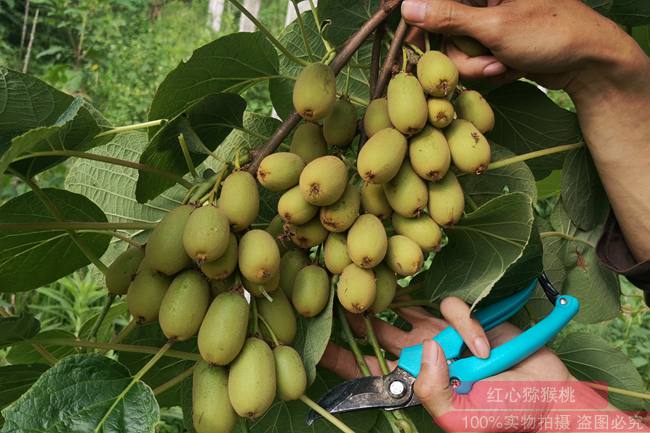
▲猕猴桃结果像葡萄一样多了
新西兰营销商可能在法庭上获胜,但未经许可的G3生产的蔓延仍在继续。Zespri最近在中国一场重大植物品种权案件中获胜,该案件涉及当地果园主种植其受保护的G3 SunGold品种。这场胜利也发生在营销商对非法种植水果去向的五年研究结束之际。
2021年的一次种植者投票拒绝了与四川的中国种植者进行合作营销试验的提议,以Zespri的品牌销售他们的水果,以补充新西兰的水果销售。引起新西兰种植者担忧的问题包括知识产权的损失和中国种植水果的感知质量。

▲充分授粉的红心猕猴桃
但从那以后,作物产量只增长了。
目前,中国各地的种植面积估计高达7500公顷,四川省约为5000公顷,种植面积接近新西兰的G3种植面积,而估计产量为4100万个托盘,与Zespri向市场销售的G3总量相当。
在一年中的某些时候,这对Zespri的市场份额是一个明显的挑战,随着来自中国的销量继续上升,新西兰行业面临着重新审视投票的压力。
四川省人口9400万,是猕猴桃的重点种植区,约5万公顷,其中3万公顷为红色,其余为金色,其中G3约5000公顷,其余大部分为当地金研品种。
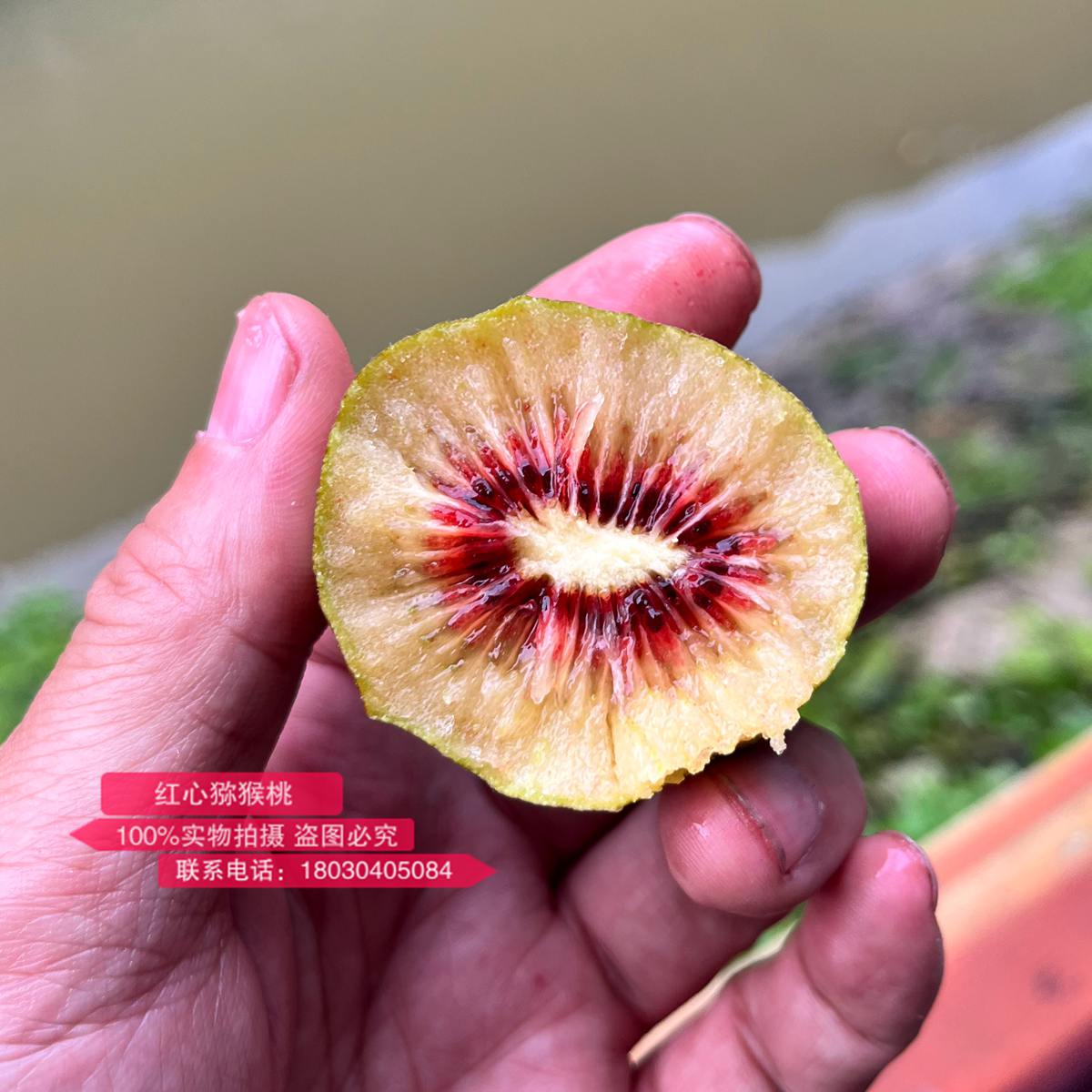
▲新西兰进口的宝石红红肉猕猴桃
Zespri的监测项目包括观察非法进口G3品种果园种植的发展,同时探索确保水果质量的方案,如果合作获得批准。
这包括最初确定20名果园主,共种植约1000公顷的G3,作为可能的第一批候选人,在合作试验中提供水果。
虽然Zespri对最近的法庭胜利感到鼓舞,但鉴于现在地下种植的植物数量巨大,此类行动的高昂成本可能会使营销人员面临一场昂贵的打地鼠游戏。
在《农民周刊》最近对该省的一次访问中,当地种植者非常清楚Zespri获得的法庭胜利,并认为这可能会减缓但不会停止G3葡萄藤的继续种植。

▲Abundant Red Heart Kiwi Orchard
Yan Zhiqiang is the director of a new packhouse company processing unauthorised G3 fruit alongside local kiwifruit, and also head of the Chengdu Kiwifruit Growers Association.
He told Farmers Weekly his growers emulate Zespri standards, often watching videos on orchard techniques and buying trays at retail to sample and compare to their own.
“We regard Zespri as the gold standard to meet, and middle-class families in China want to buy Zespri fruit. We know Chinese fruit is not as high quality as Zespri’s, but it is still relatively good.”
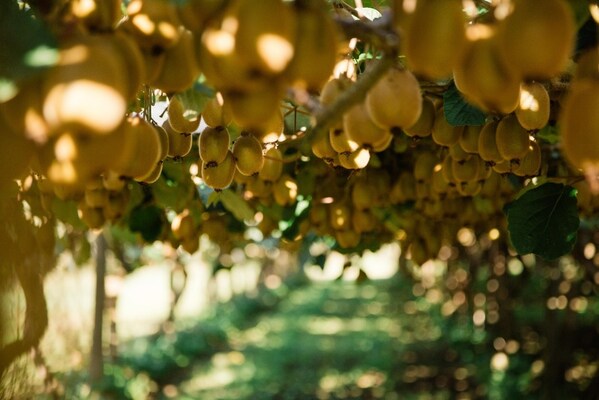
▲New Zealand Zespri kiwifruit cultivation
With the Chinese government recently allowing growers to increase their area in fruit, including kiwifruit, he sees Sichuan province holding plenty of promise for greater areas of Gold and local varieties of Red fruit plantings.
He believes Zespri’s Ruby Red now coming into China could be a game-changer for Chinese kiwifruit consumption, particularly among younger consumers.
In terms of working under a Zespri label, he said the time is ripe for collaboration.
“The Chengdu government is really supporting growers and farmers and the industry. It has a strong budget and the city is a new ‘First Tier’ city, with local government also supporting Zespri coming to Chengdu.”
Regardless of Zespri engagement with local packhouses and growers, the sector is not slowing down on its investment pathway.
Investment at a government level includes nine “agri-park” sites around Chengdu focusing on research and sector infrastructure.

▲helping growers achieve their ultimate pollination
Chengdu city is also a base for government-owned testing laboratories capable of analysing fruit quality and provenance, using the latest isotope and chromatography technology.
Yan’s own company has just completed two neighbouring packhouses with 6.5 million-tray packing capacity, and it has plans to expand further.
“A Zespri licence for G3 and RubyRed growers could lead to even greater sales. We are all ready for Zespri to come to Chengdu.”
严志强是一家新包装公司的负责人,该公司与当地猕猴桃一起加工未经授权的G3水果,也是成都猕猴桃种植者协会的负责人。
他告诉《农民周刊》,他的种植者效仿Zespri的标准,经常观看果园技术视频,并在零售店购买托盘进行采样和比较。
“我们认为Zespri是要达到的黄金标准,中国的中产阶级家庭想购买Zespri水果。我们知道中国水果的质量不如Zespri的高,但它仍然相对较好。”
随着中国政府最近允许种植者增加包括猕猴桃在内的水果种植面积,他认为四川省在更大面积的黄金和当地品种的红色水果种植方面前景广阔。
他认为,Zespri的红宝石红现在进入中国,可能会改变中国猕猴桃消费的游戏规则,尤其是在年轻消费者中。
就在Zespri品牌下工作而言,他说合作的时机已经成熟。
“成都政府真的在支持种植者、农民和产业。它有强大的预算,这座城市是一个新的‘一线’城市,当地政府也支持Zespri来到成都。”
无论Zespri与当地包装厂和种植者如何合作,该行业的投资路径都没有放缓。
政府层面的投资包括成都周边的九个“农业园区”,重点是研究和行业基础设施。
成都市也是政府所有的检测实验室的基地,这些实验室能够使用最新的同位素和色谱技术分析水果的质量和来源。
Yan自己的公司刚刚完成了两个相邻的包装厂,拥有650万托盘包装能力,并计划进一步扩张。
“为G3和RubyRed种植者发放Zespri许可证可能会带来更大的销售额。我们已经为Zespri来到成都做好了准备。”


评论